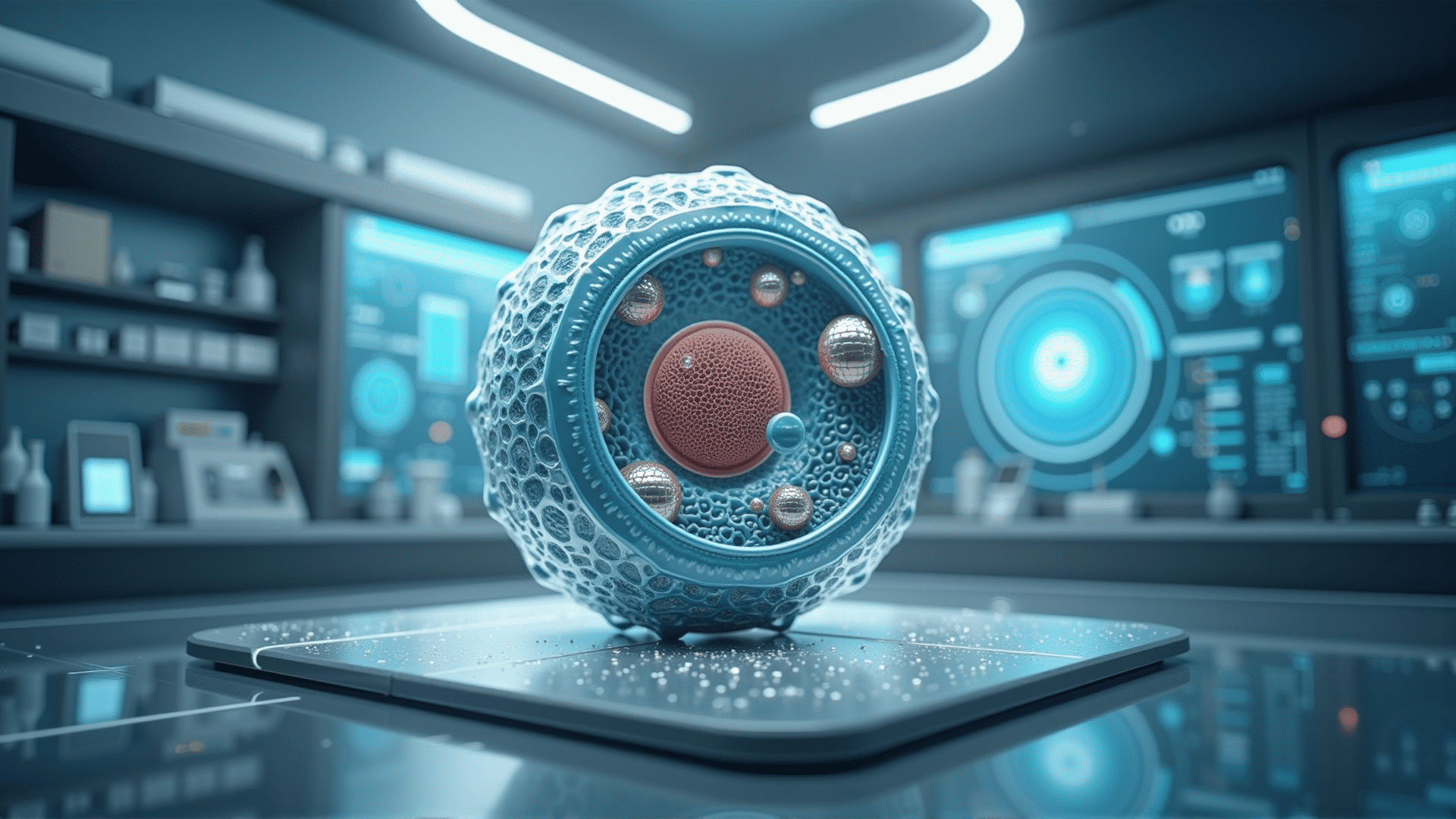
Nanotechnology stands at the forefront of a scientific and medical revolution, poised to transform the landscape of healthcare and offer solutions to some of the most pressing medical challenges of our time. At its core, nanotechnology involves manipulating structures at the atomic and molecular levels, typically smaller than 100 nanometers, to create materials with unique properties and functions. This ability to interact with biological systems at such a fundamental level opens up a plethora of possibilities in medicine.
One of the most promising applications of nanotechnology in medicine is in targeted drug delivery. Traditional drug delivery systems often face the drawback of affecting healthy cells alongside diseased ones, leading to undesirable side effects. Nanotechnology provides a solution by enabling the development of drug delivery systems that can target specific cells. Nanoparticles can be engineered to carry therapeutic agents directly to disease sites, such as tumors, with remarkable precision. For instance, they can be designed to recognize cancer cells by detecting specific proteins on their surfaces, ensuring that the therapeutic payload is delivered only where it is needed and in the right dose. This targeted approach minimizes damage to healthy tissues and enhances the drug's effectiveness.
Beyond drug delivery, nanotechnology holds the potential to revolutionize diagnostics. Nano-scale sensors can detect biomarkers—indicators of disease—at levels far lower than conventional methods, allowing for earlier diagnosis of conditions like cancer, Alzheimer's, and heart disease. Early diagnosis is crucial for effective treatment, and nanotechnology's precision could lead to more routine screenings and monitoring, thus catching diseases at stages where they are more manageable and potentially curable.
Moreover, advancements in nanotechnology are paving the way for regenerative medicine. Researchers are exploring how nanomaterials can stimulate the body's own repair mechanisms, offering hope for the regeneration of damaged tissues or even entire organs. The development of scaffolds at the nano-level that mimic the body’s natural tissue structure holds promise for conditions like spinal cord injuries, nerve damage, or joint reconstruction. These nanostructures, when combined with stem cells, could potentially allow for the regrowth of tissues and organs, offering new hope for patients with previously irreversible conditions.
Nanotechnology also shows promise in the realm of personalized medicine. By tailoring medical treatments at the molecular level, nanotechnology could help create customized therapies based on an individual’s genetic makeup, ensuring higher efficiency and safety of medical interventions. This personalization reduces the trial-and-error approach currently prevalent in medicine, where medications are often prescribed and adjusted through a method of trial and observation of side effects.
However, the deployment of nanotechnology in medicine does not come without challenges. Safety concerns are paramount, as the long-term effects of nanoparticles on the human body and environment are not yet fully understood. Regulatory frameworks must evolve alongside technological advancements to address these concerns and ensure that these innovations are safe and effective. Additionally, the ethical implications of such advanced interventions in human health need to be considered, particularly in terms of access and equity, to prevent a widening gap between those who can afford these advanced therapies and those who cannot.
In summary, nanotechnology's potential to revolutionize the field of medicine is significant. From targeted drug delivery and advanced diagnostics to regenerative medicine and personalized treatments, the applications are vast and transformative. While challenges remain on the path to widespread implementation, ongoing research and innovation continue to push the boundaries of what is possible, bringing us closer to a future where diseases once deemed incurable may indeed find a cure through the tiny yet mighty world of nanotechnology.